Who We Are Helping
These photographs document Valliant Foundation’s community-based outreach. Identifiable photographs are used with informed consent, and our goal is to show the work as it actually happens: volunteers listening, checking basic health indicators, providing support, and meeting people where they are.
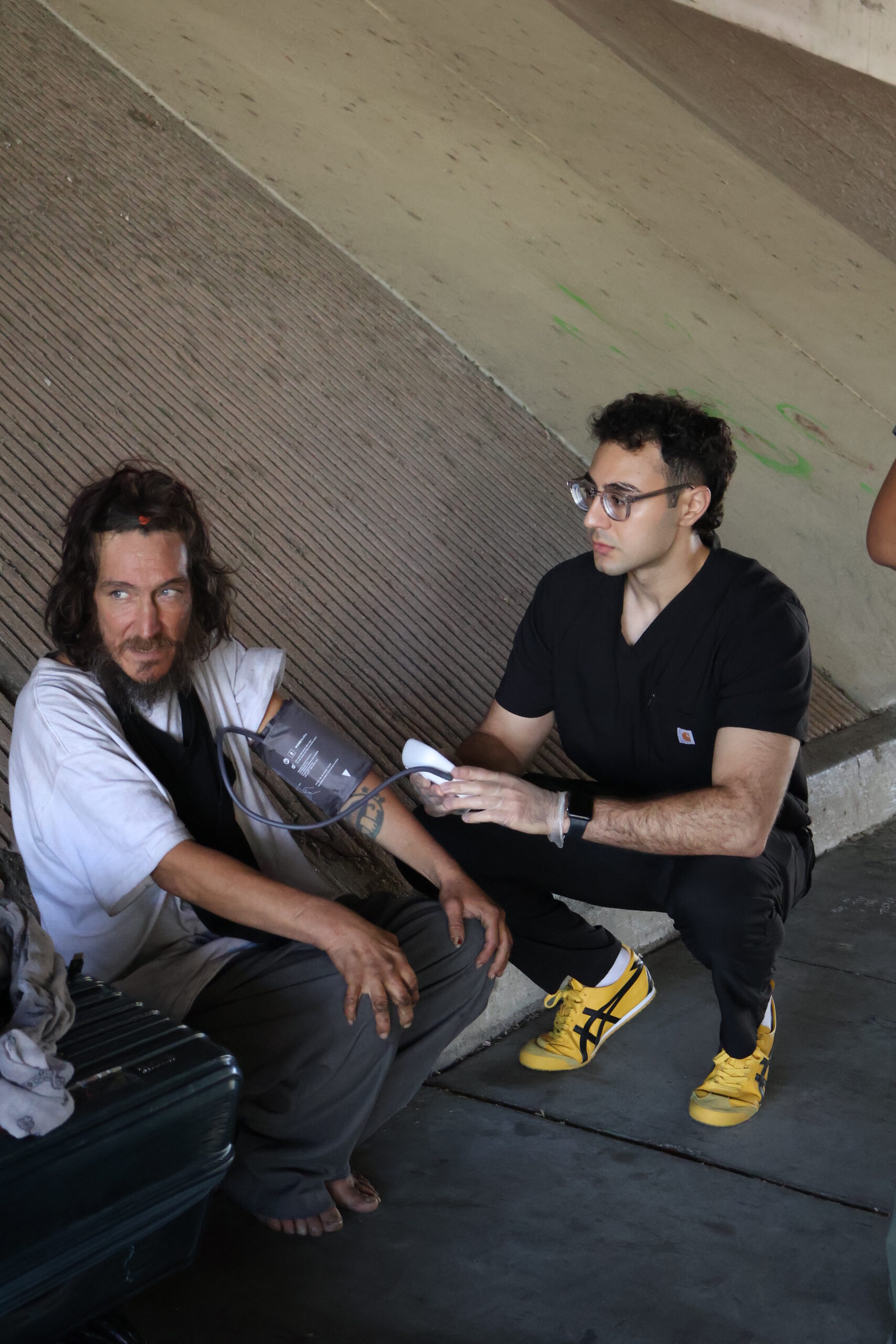
A Simple Check Can Start a Conversation
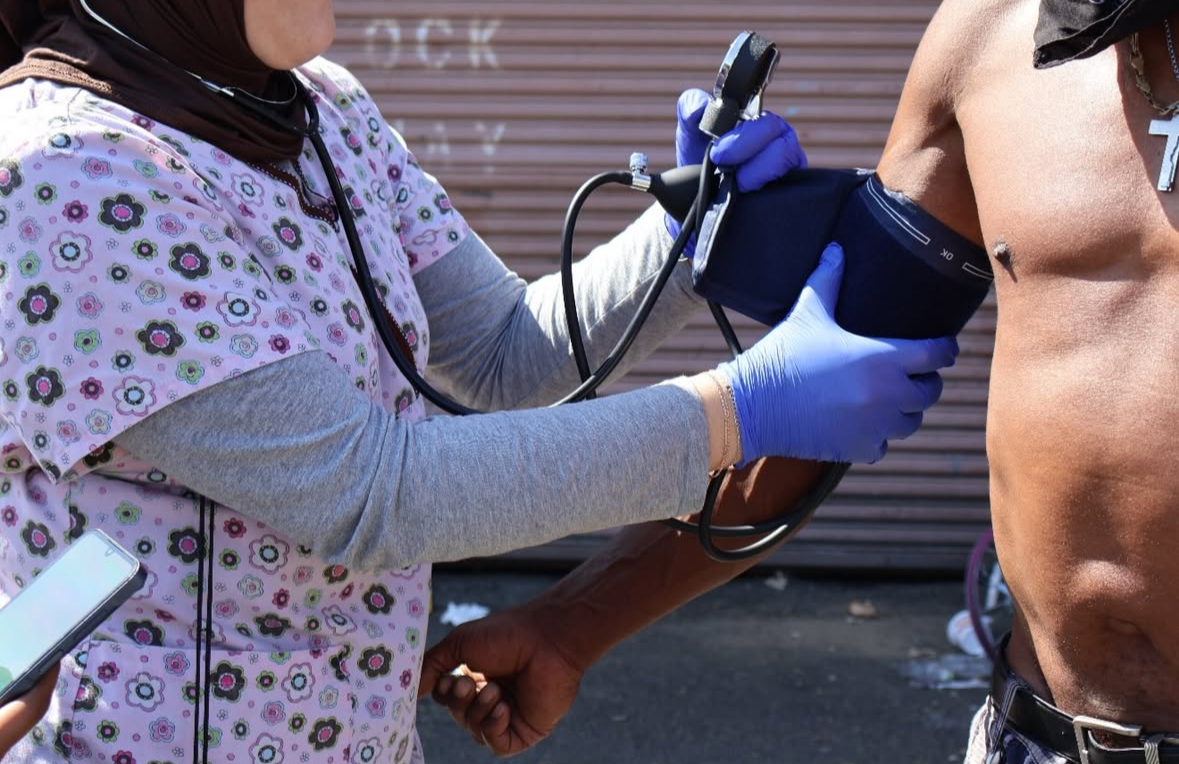
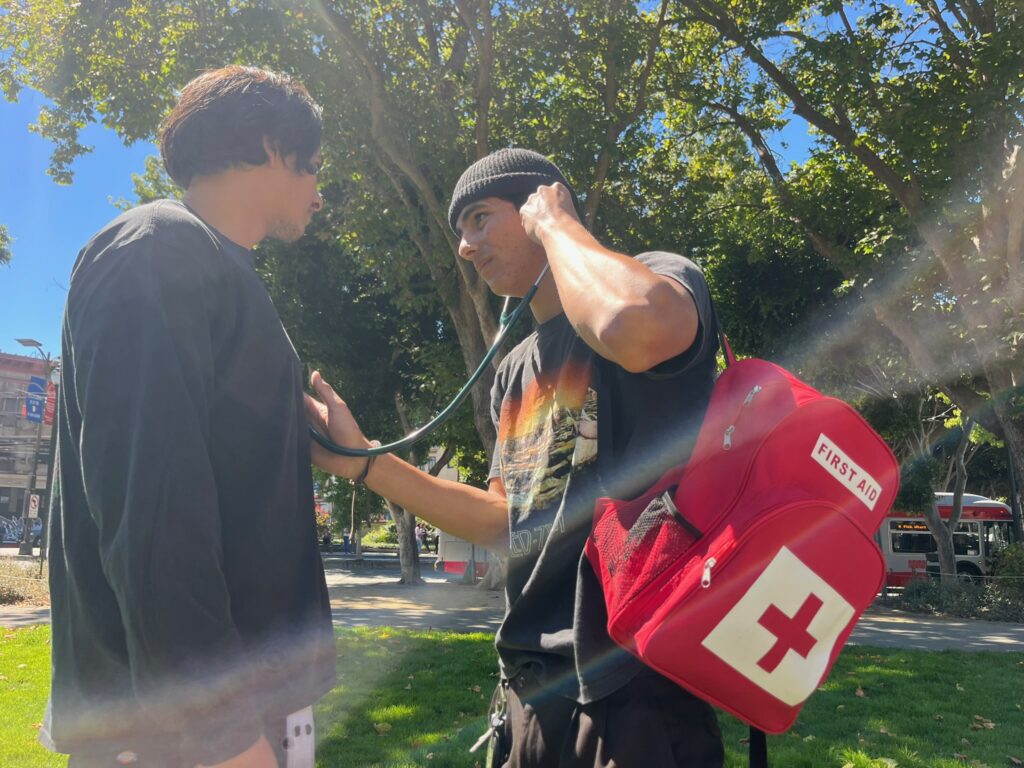
During outreach, volunteers may offer basic, non-diagnostic health screenings when appropriate and within program protocols. In this moment, a volunteer is taking a community member’s blood pressure. The interaction is not just about a number on a cuff—it creates an opportunity to listen, answer questions, share health information, and help someone think through available resources.
Our approach is grounded in respect and consent. We aim to make each interaction feel human, calm, and collaborative.
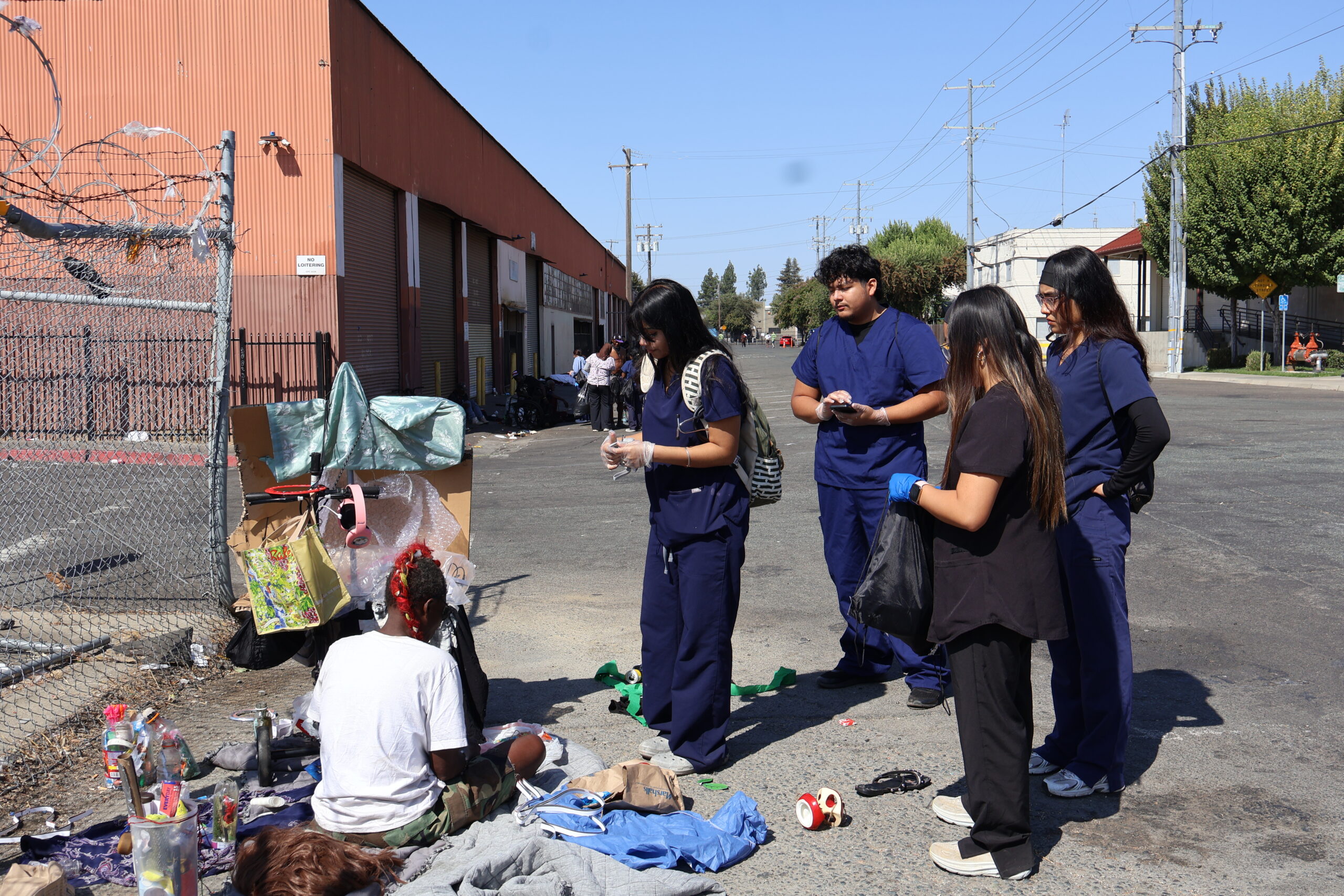
Meeting People Where They Are
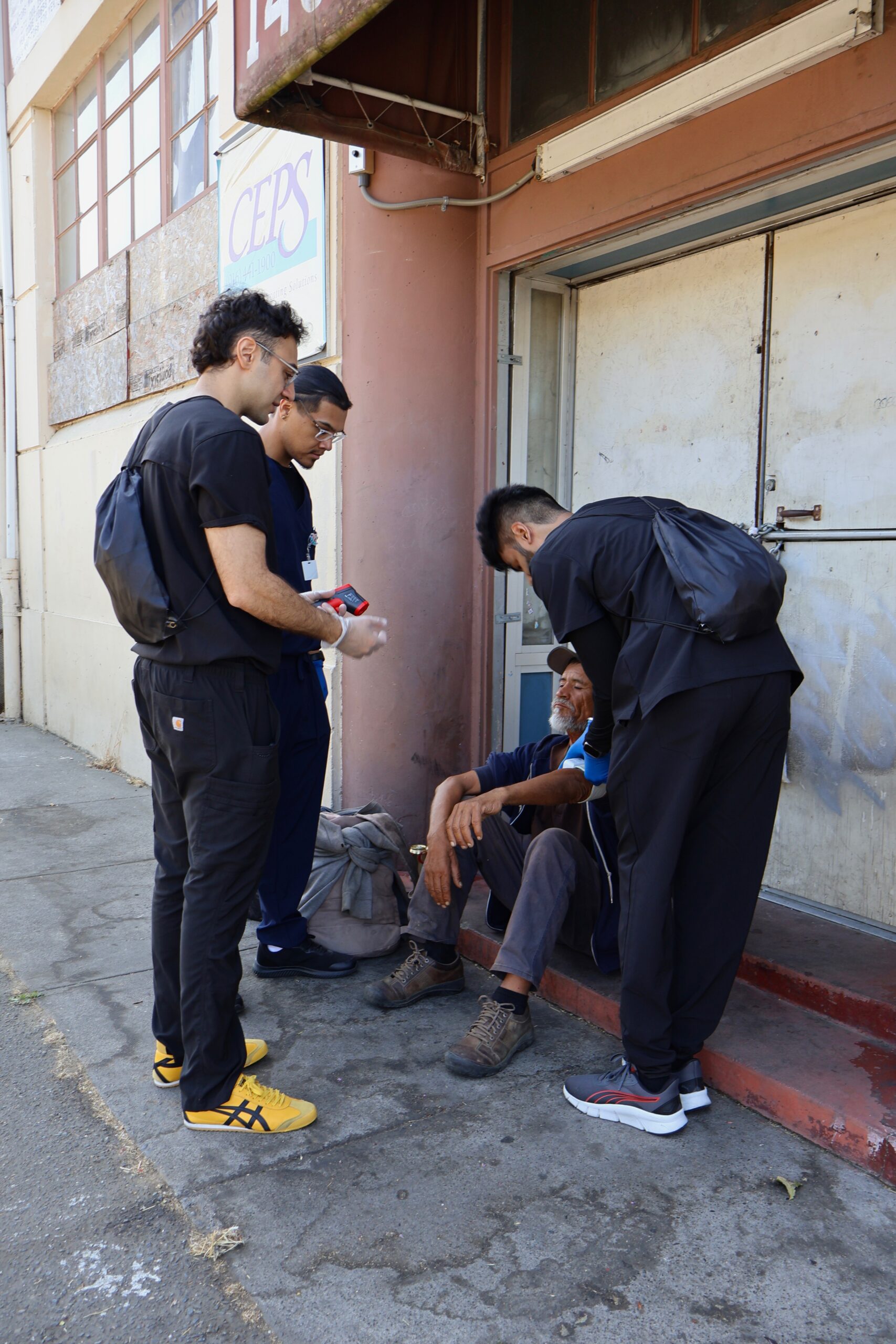
Outreach often happens in places that are difficult, crowded, or uncomfortable. This photograph shows volunteers working in an encampment environment rather than waiting for people to come to a traditional office or clinic setting.
The setting itself tells part of the story: people experiencing homelessness may be navigating health concerns alongside unstable shelter, limited privacy, transportation barriers, and the daily challenge of protecting their belongings. Our volunteers enter these spaces with the goal of listening first and offering practical support without judgment.
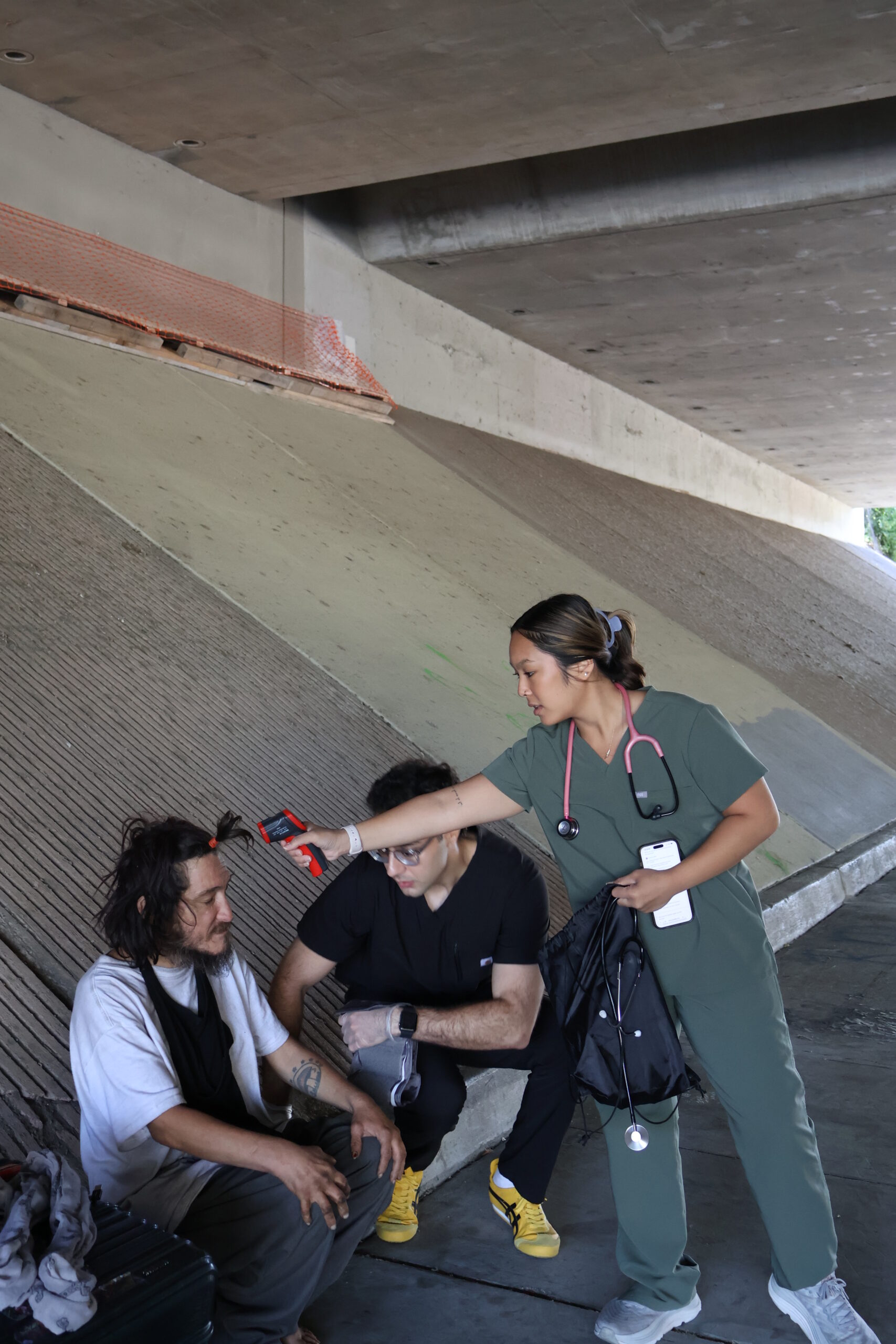
Small Moments of Attention
Some of our outreach work involves simple observations and screenings such as temperature, blood pressure, heart rate, oxygen saturation, or other permitted measurements. These encounters are brief, but they can provide a structured moment for a person to talk about how they are feeling and decide whether they want additional information or support.
We do not want photographs like these to reduce people to a health measurement. The point is the interaction: a volunteer is present, paying attention, and treating the person in front of them with dignity.
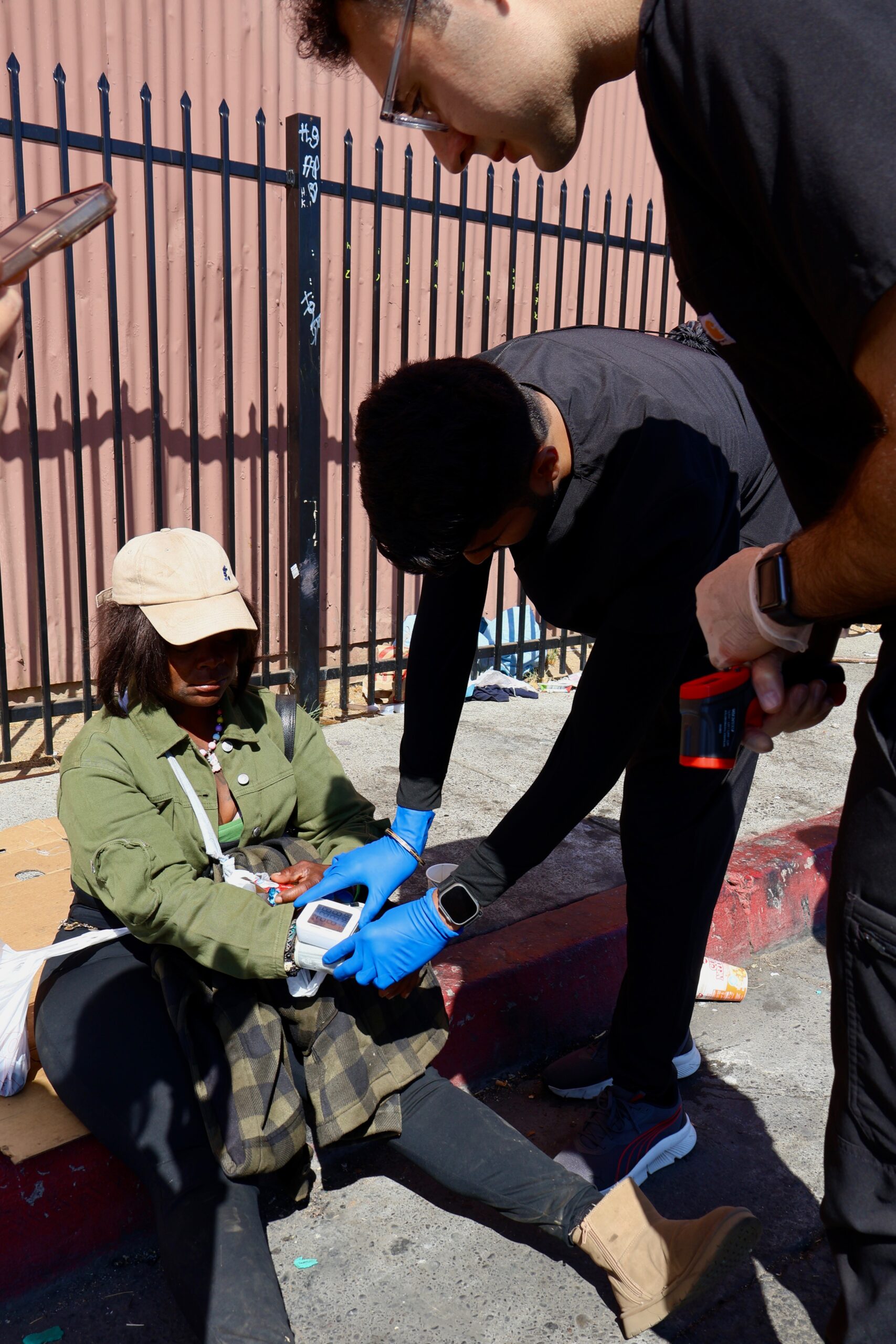
Care That Begins With Respect
This photograph captures a volunteer helping an unsheltered woman with a blood pressure screening during outreach. The image reflects the kind of work we want to normalize: respectful, one-on-one engagement that meets people in the community and gives them space to participate voluntarily.
Each interaction is different. Sometimes the most important thing we can offer is information; sometimes it is supplies, navigation, or a conversation. The common thread is treating the person as a partner in the interaction rather than as a problem to be solved.
Outreach Is a Team Effort
In this scene, several volunteers work together while checking a community member’s blood pressure and temperature. Team-based outreach lets volunteers support one another, maintain organized workflows, and keep the interaction focused on the person receiving support.
Our goal is not to make outreach feel clinical or impersonal. We want our volunteers to combine careful procedures with warmth, conversation, and respect for each person’s choices.
More Moments From the Field
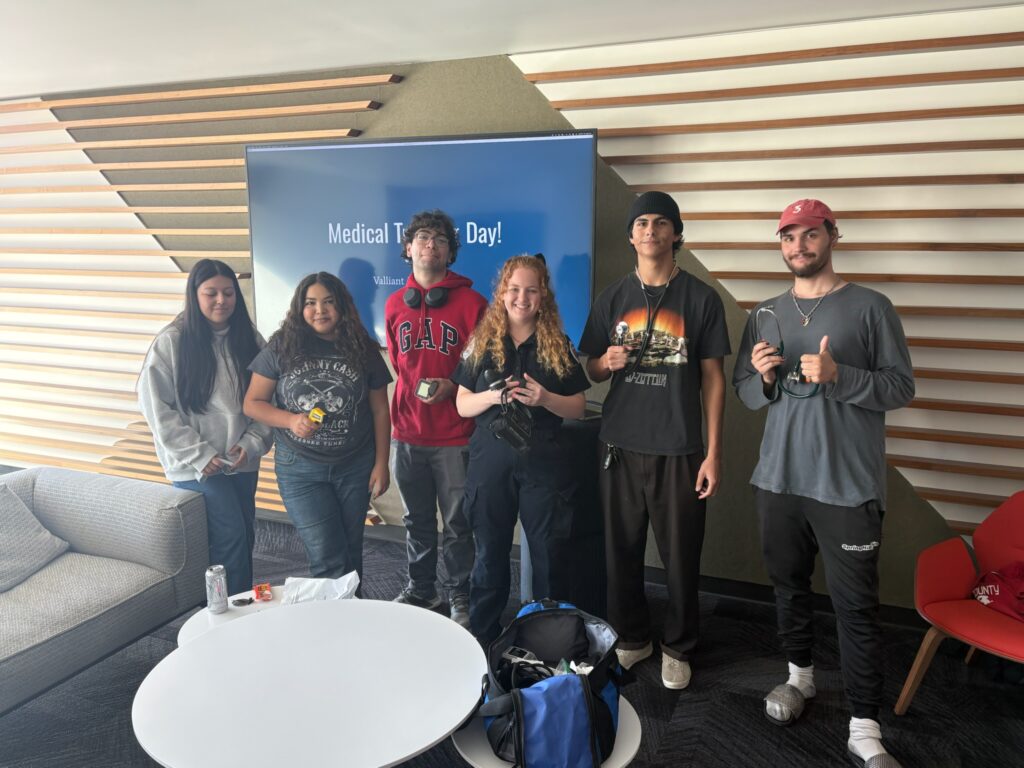
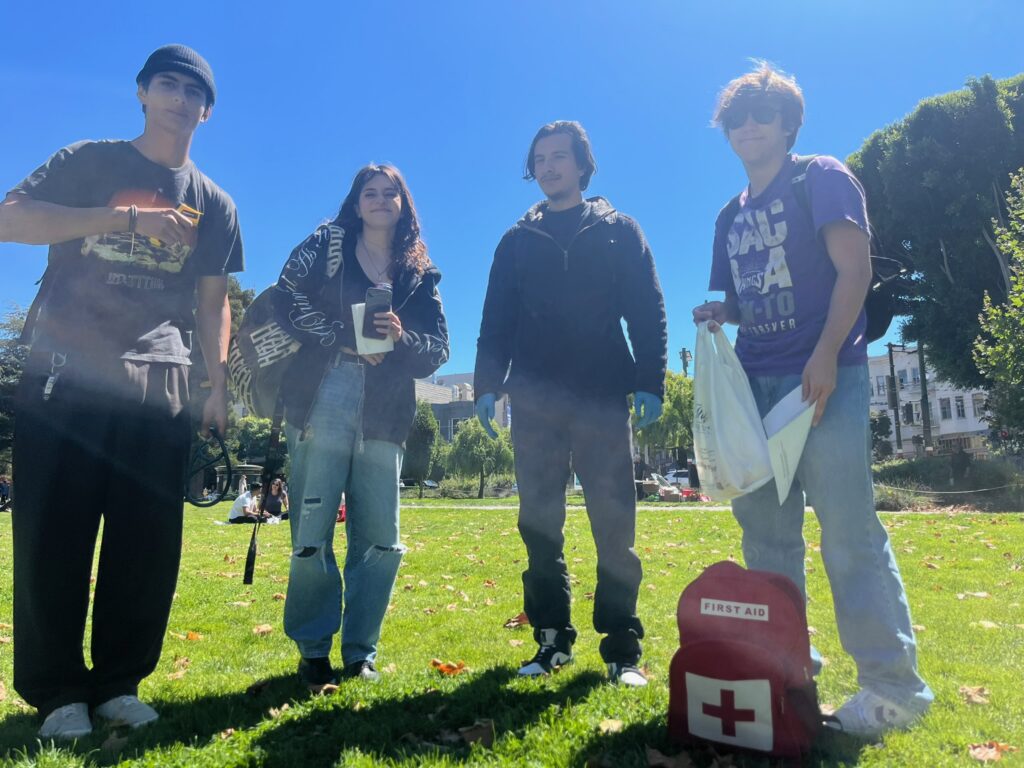
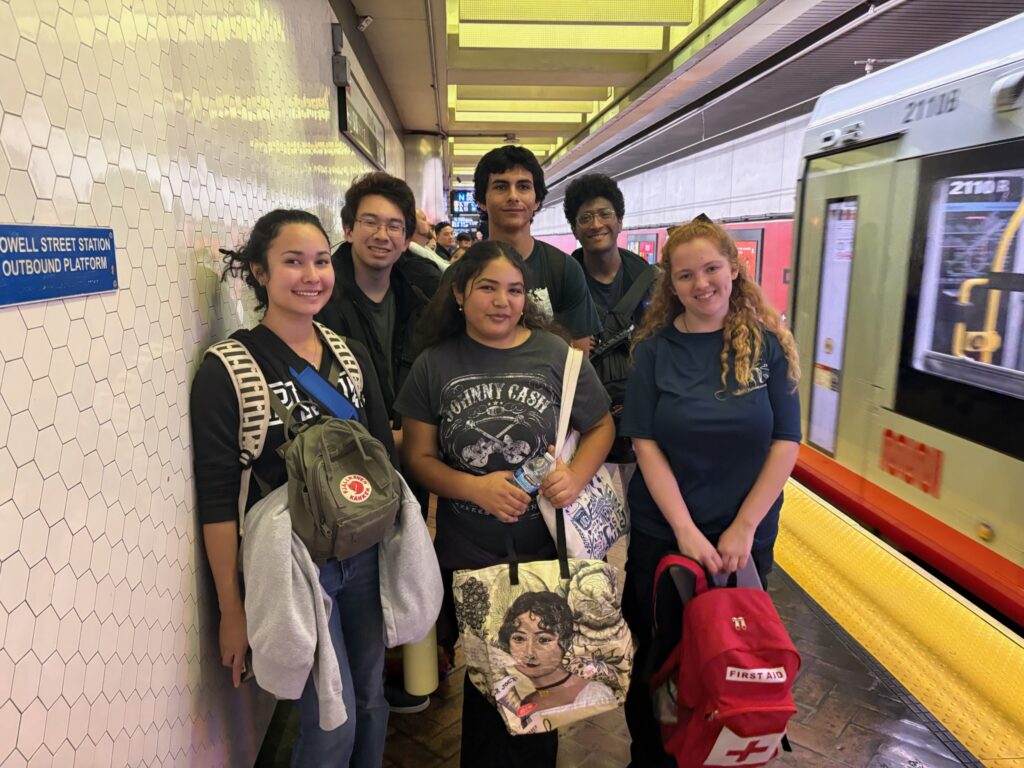
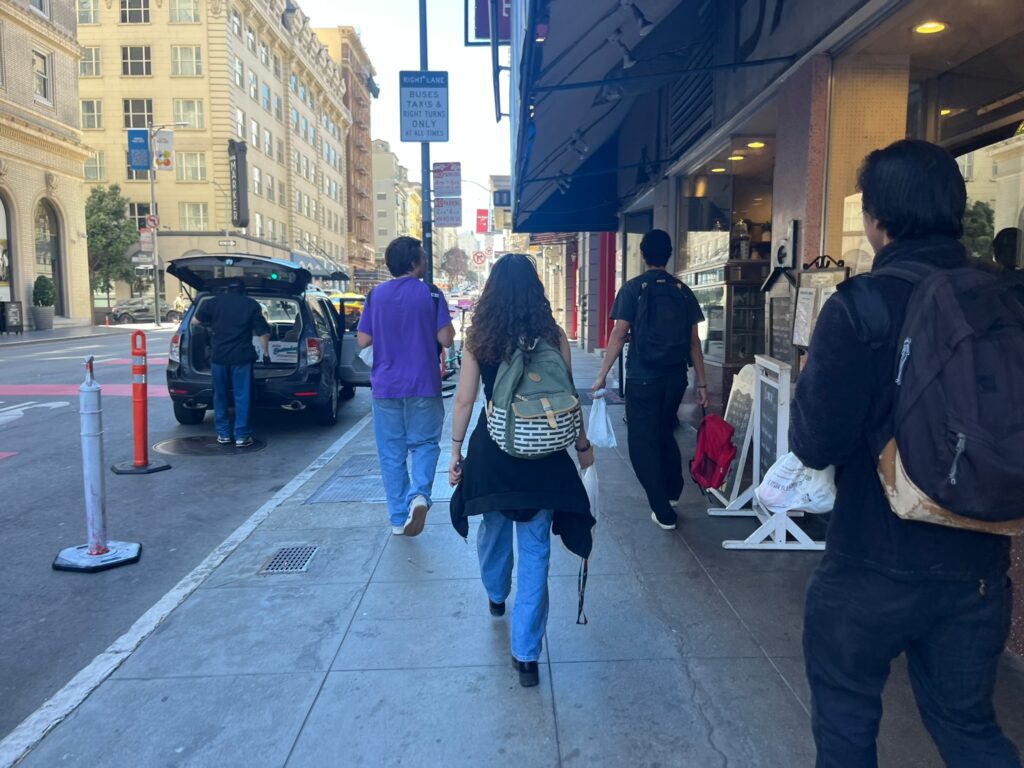
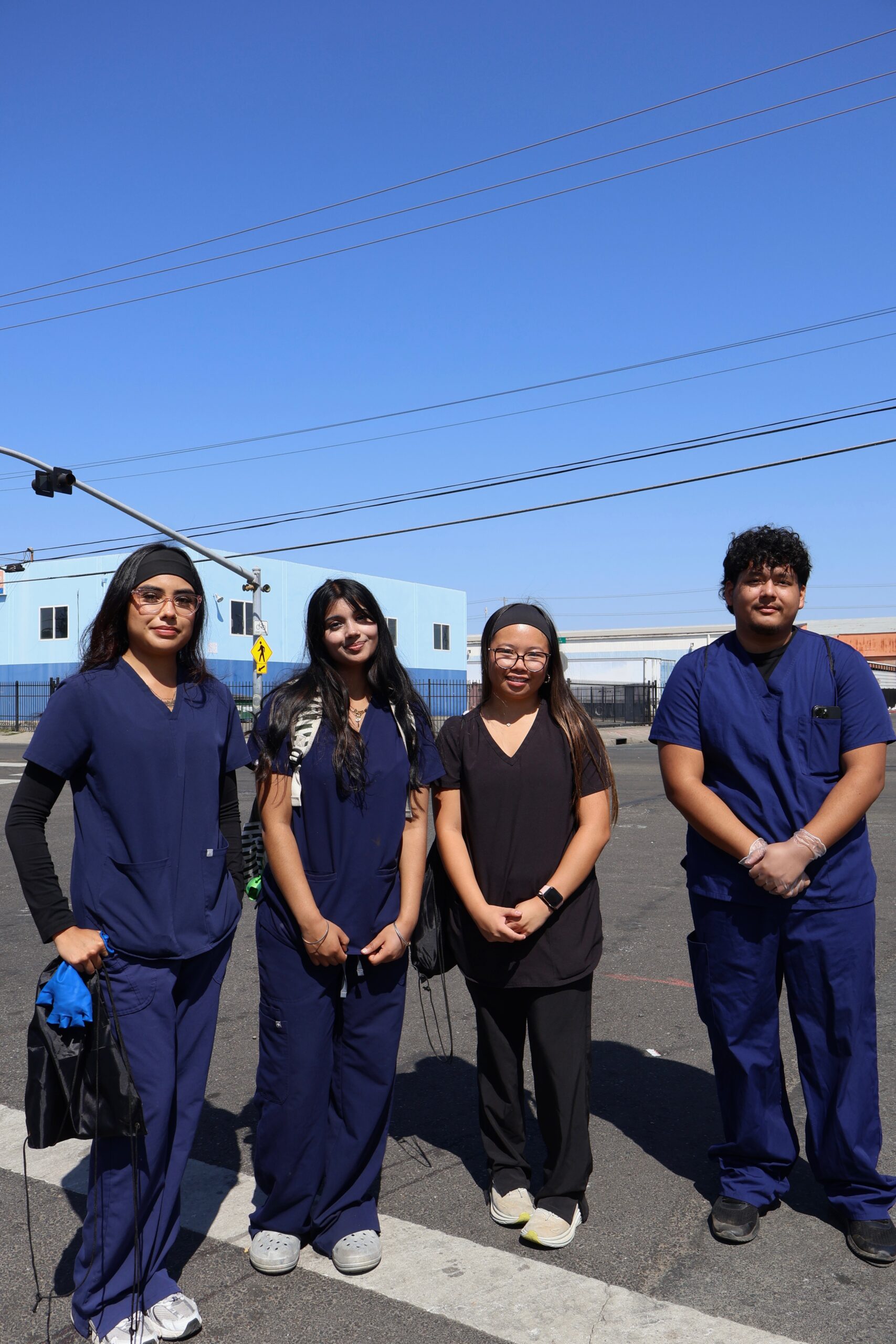
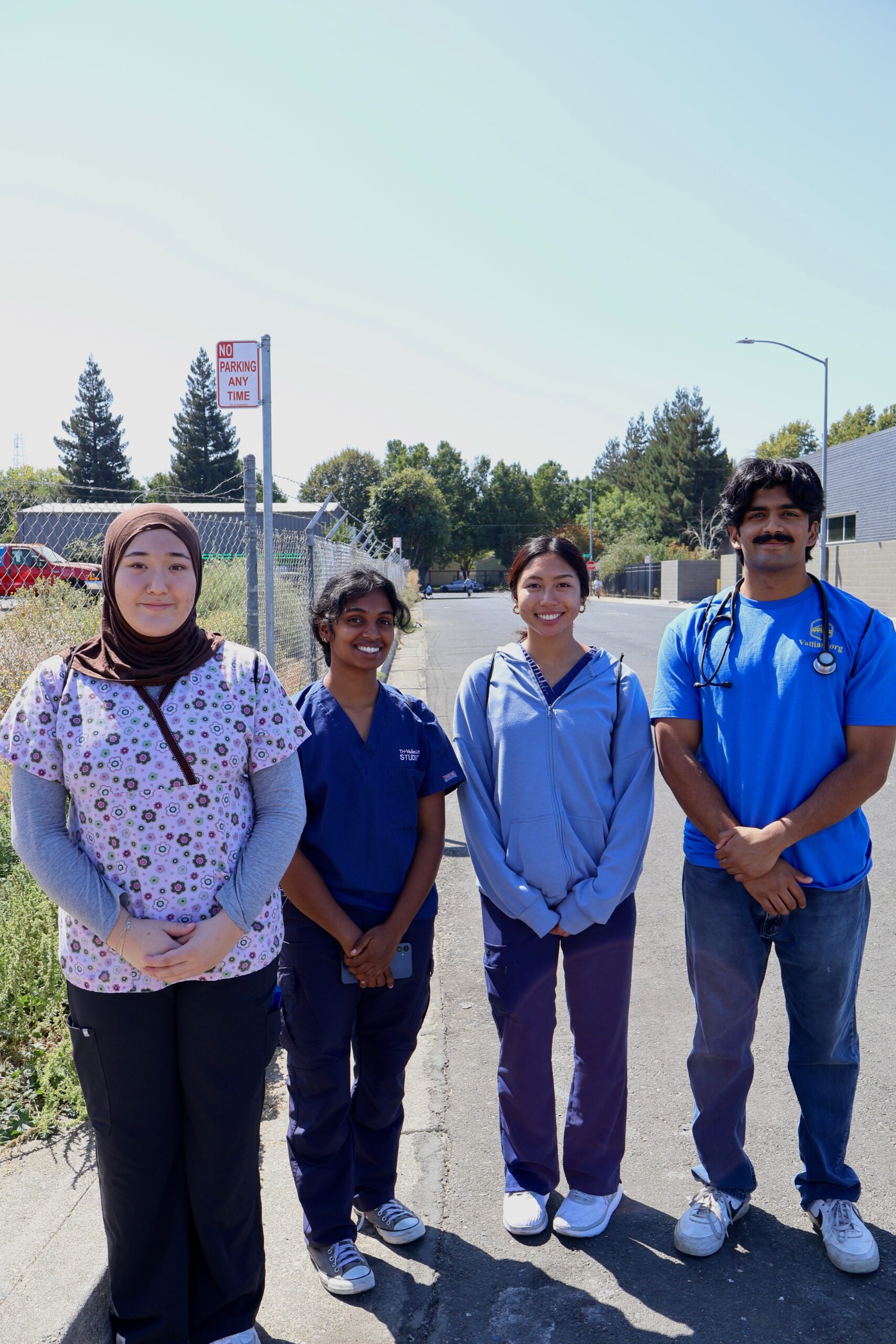
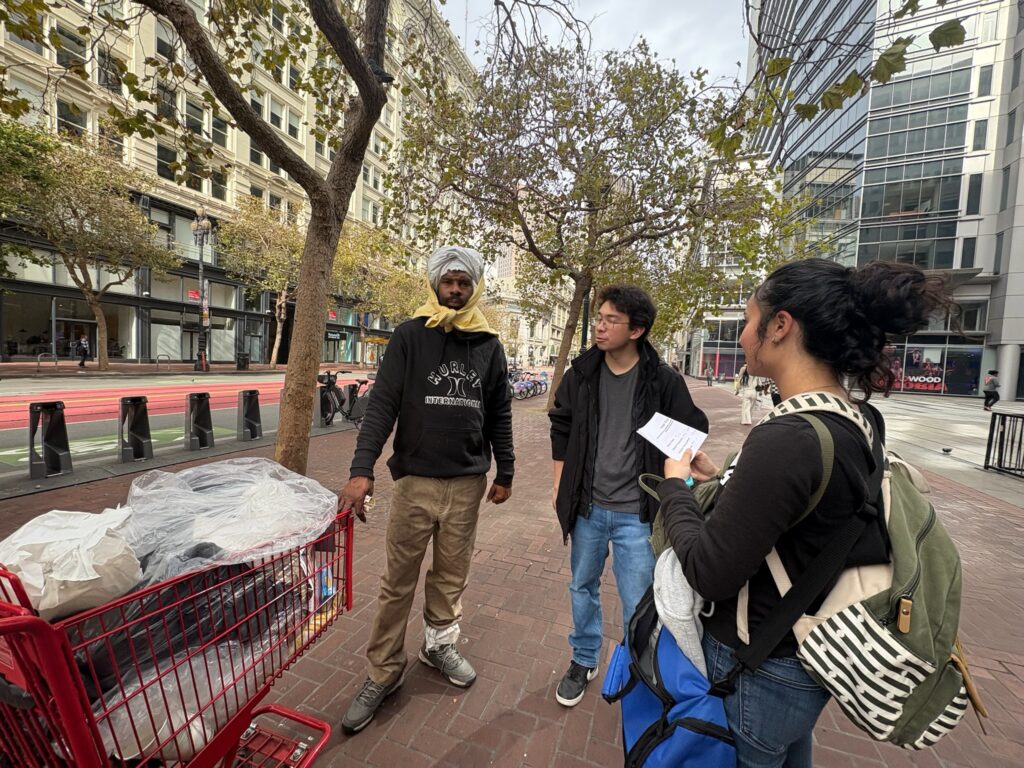
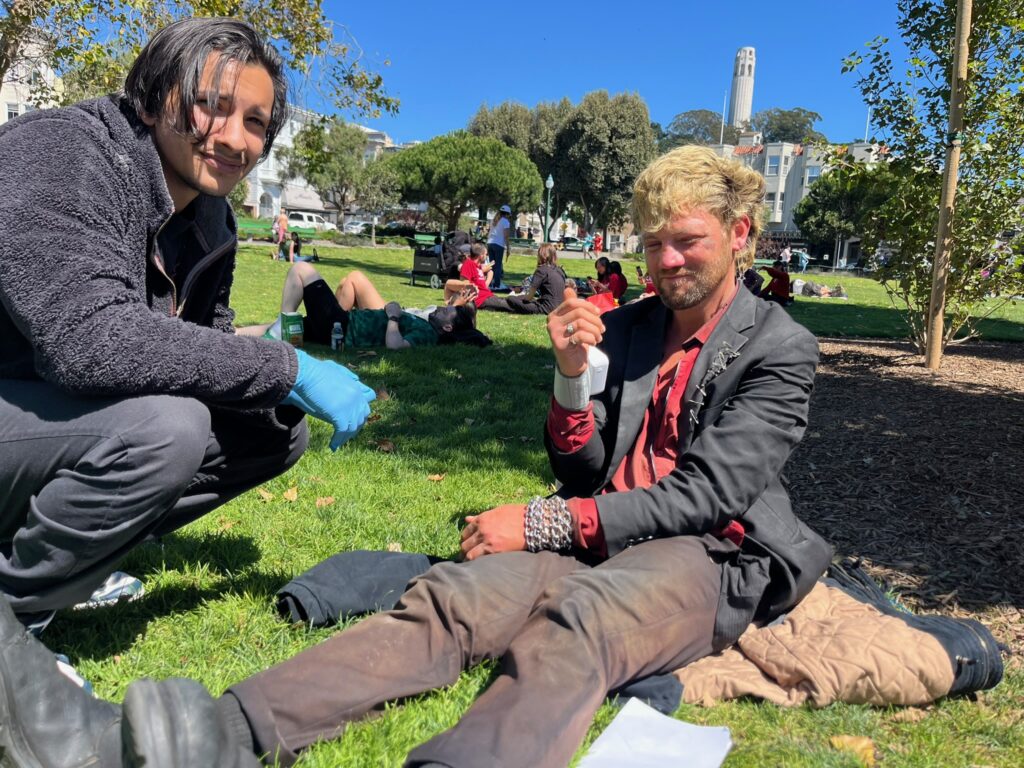
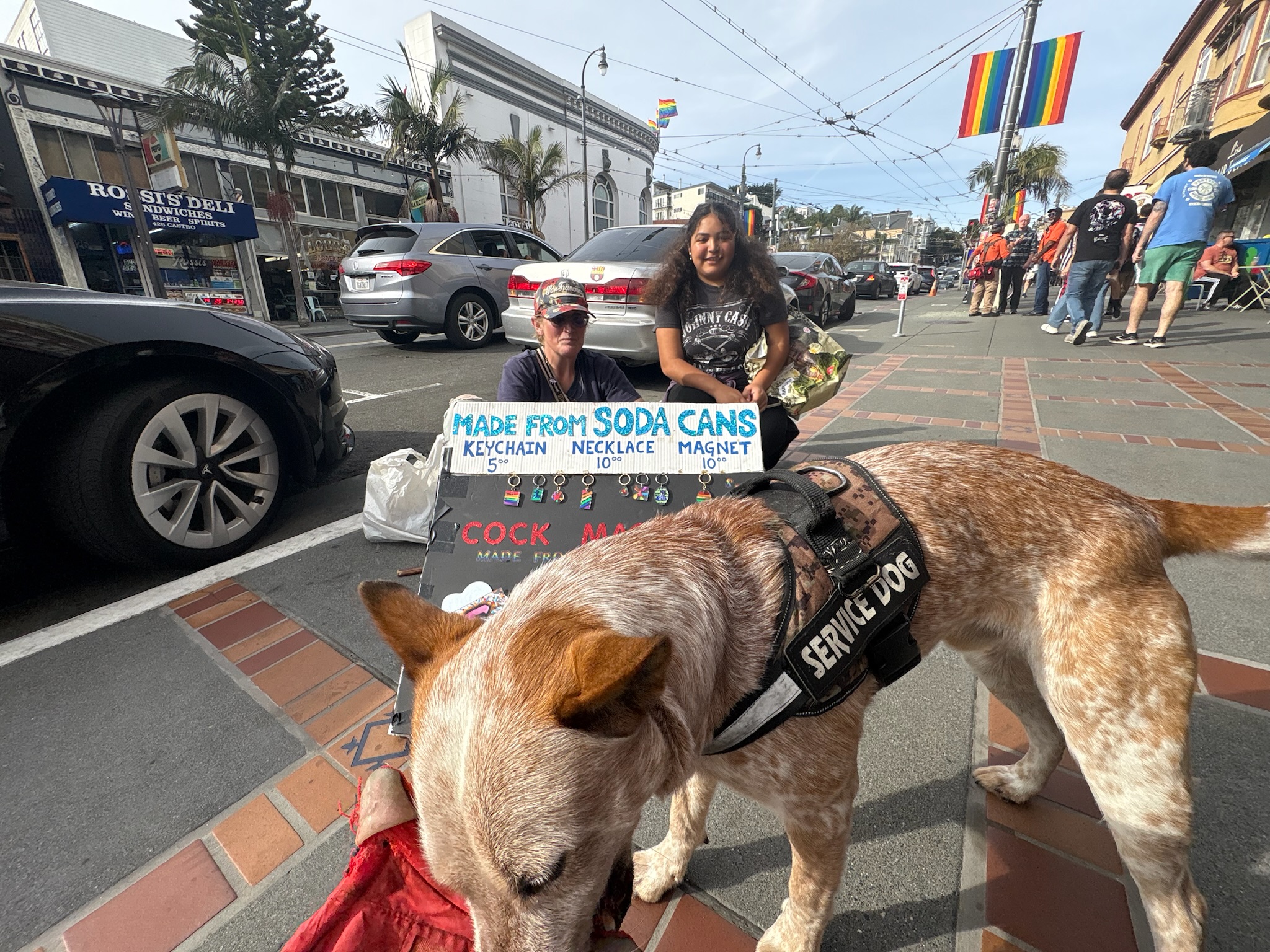
The photographs below show additional moments from outreach: volunteers speaking with community members, taking permitted measurements, working alongside one another, and documenting the everyday reality of community-based service.
More Outreach Moments
Additional photographs from earlier Valliant Foundation outreach activities.
Our Team & Research
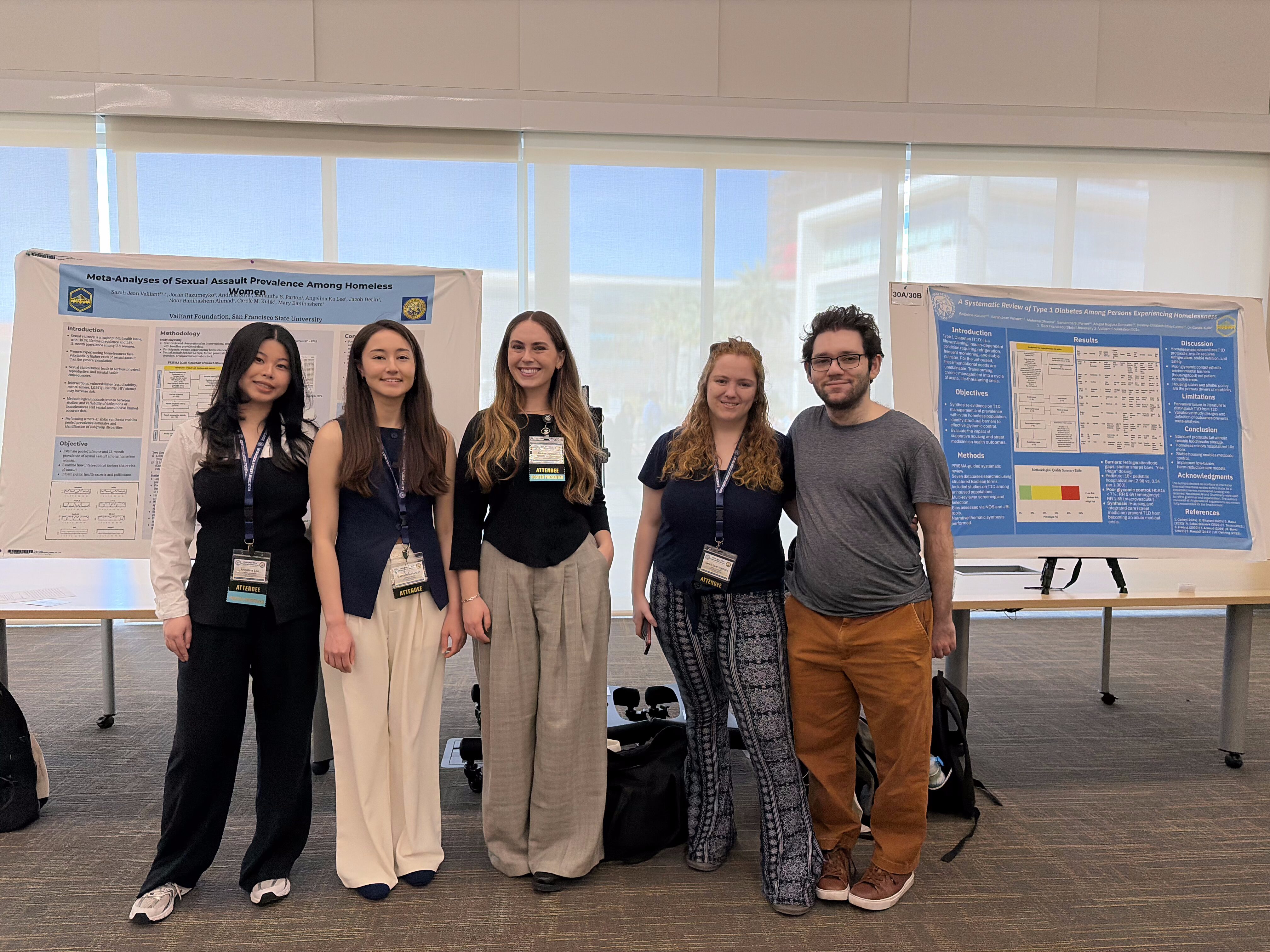
Valliant Foundation’s work extends from street outreach to research, training, and academic presentation. These photographs show the people behind the work and the places where our findings are shared.
Taking What We Learn Back to Research
Community outreach helps us see questions that may be missed when research is separated from the people it is meant to serve. Valliant Foundation also brings that work into academic settings, including research presentations at UC Davis School of Medicine.
Presenting findings gives our team an opportunity to share observations, receive feedback, and contribute to a broader conversation about homelessness, health, and public-health practice.
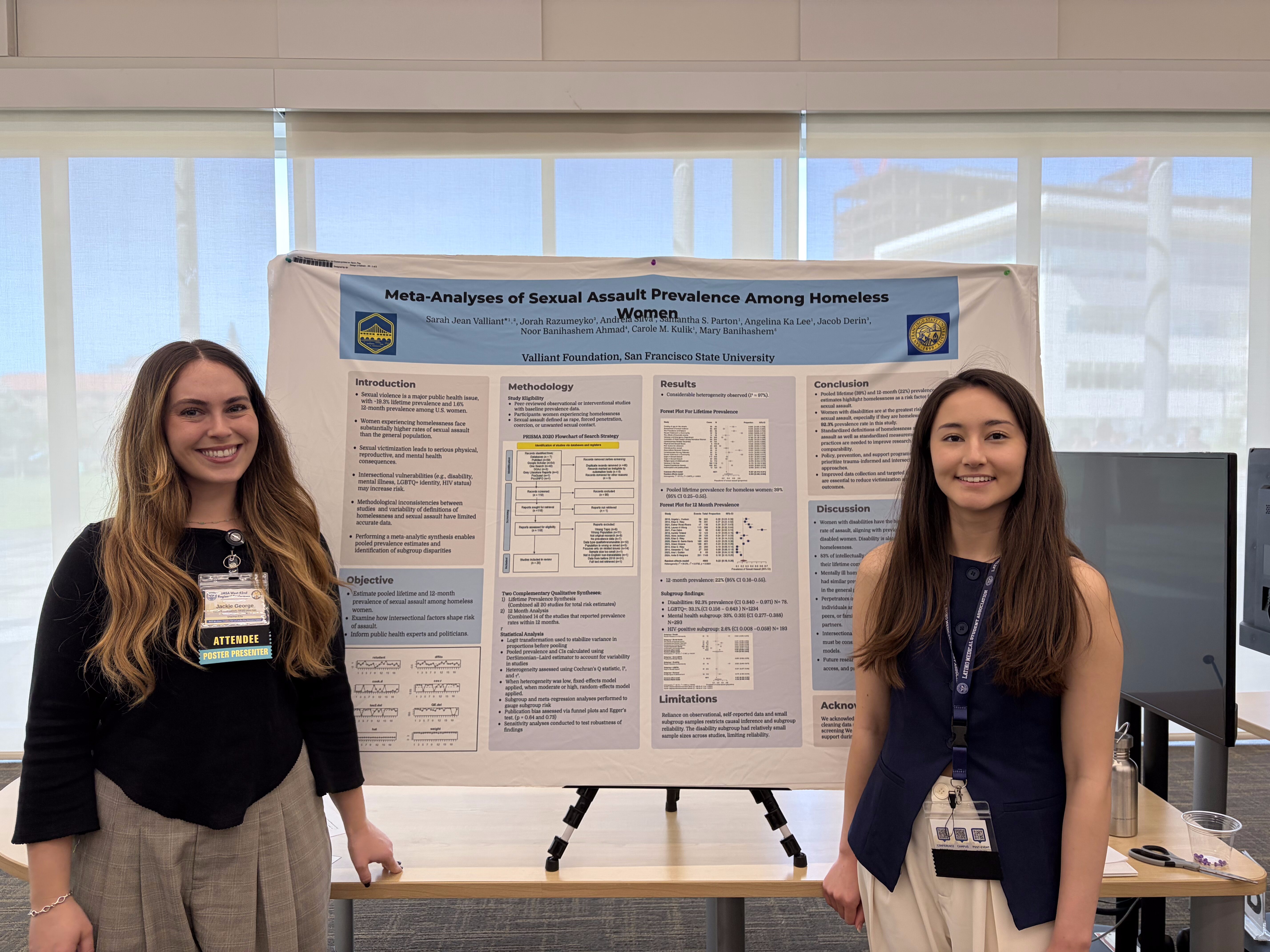
Sharing the work. Team members present a research poster, connecting field-based questions with academic discussion and feedback.

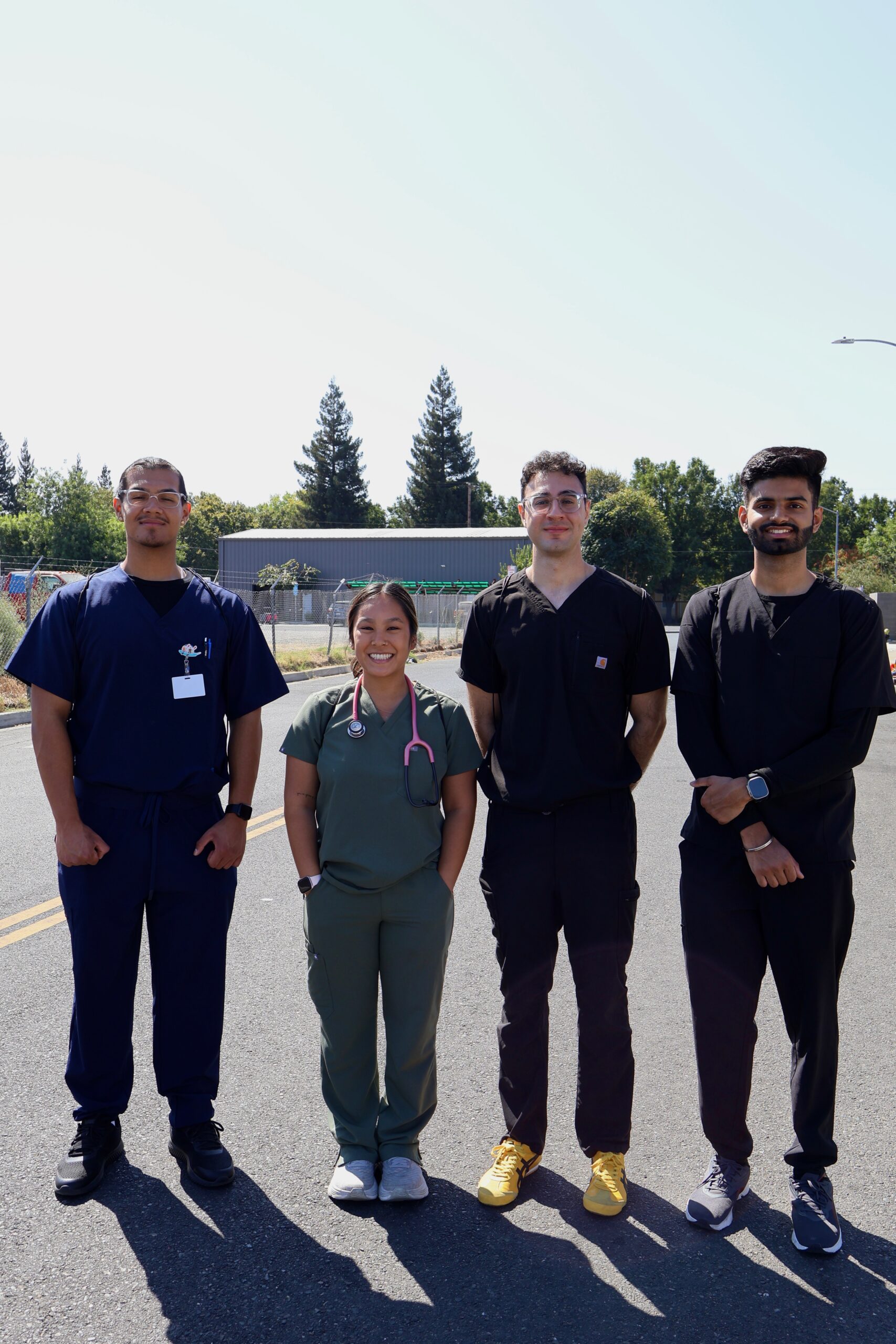
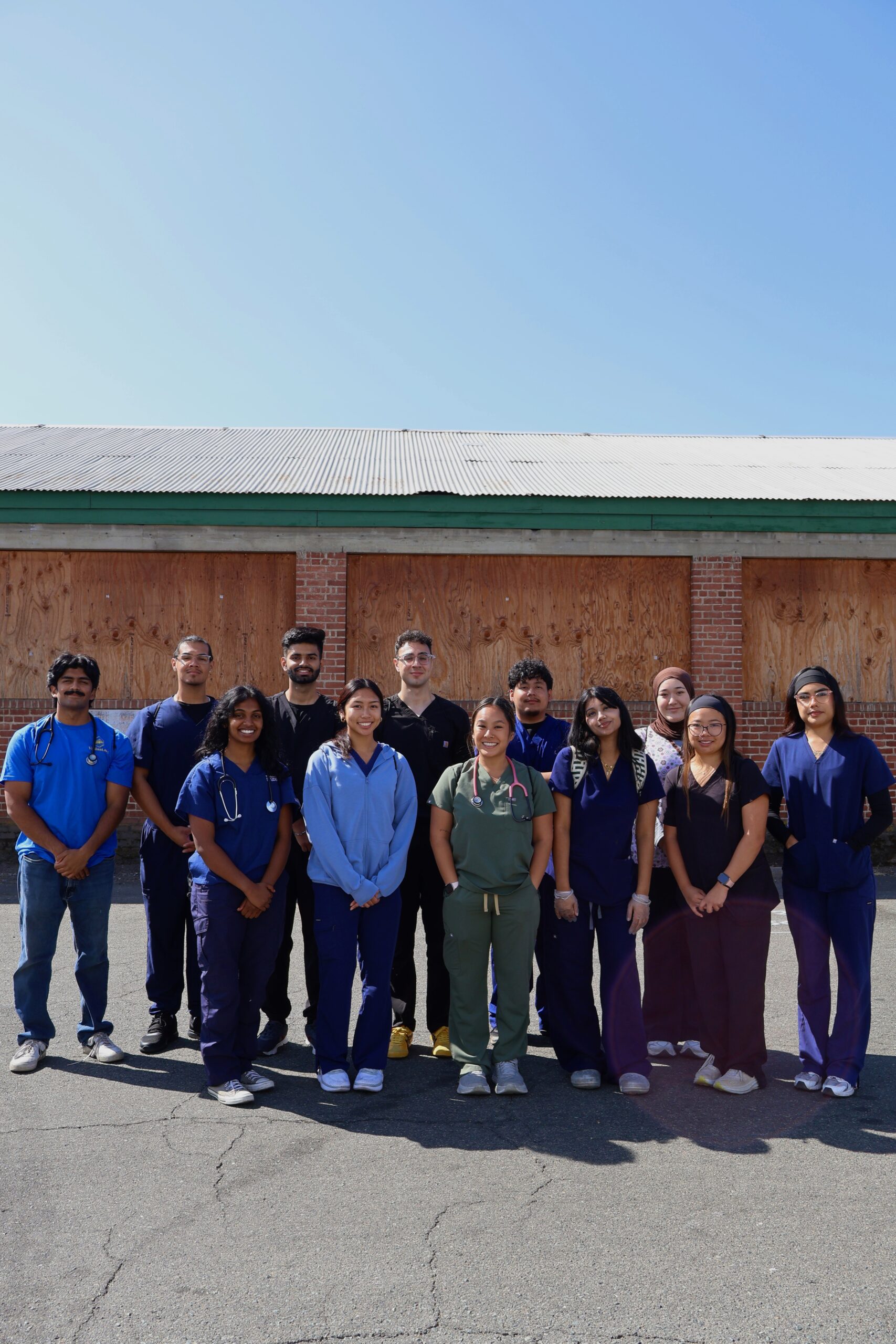
The people behind the mission. Volunteers bring their time, energy, and humanity to the work. Moments like this are part of the culture we want to build: serious about service, while still creating a team where people feel connected to one another.
Valliant Foundation volunteers. Our work depends on people willing to show up, listen, learn, and serve.
More From Our Team
Additional photographs from Valliant Foundation volunteer activities and community events.